
During the 2026 state legislative sessions in the United States, several gambling-related bills made new progress, while the federal gambling tax deduction bill faced obstacles. States like Virginia and Tennessee introduced numerous regulatory and prohibition proposals. Meanwhile, the plot of the failed Emerald Bay casino project in the Philippines is still owned by Chinabank, waiting to be sold. These industry dynamics sketch a picture of global gambling regulation and asset disposition. Compliance interpretations of related gambling laws and asset disposition cases can be referenced on the PASA official website.
US State Gambling Bills: Progress and Obstacles
Federal and state governments are intensively engaging in actions around gambling taxes, regulations, and prohibitions, with both differences and consensus:
Federal Level: Tax Deduction Bill Stalled
The House Rules Committee did not advance the amendment to HR 7148, which aimed to restore the tax deduction cap for gambling losses to 100% (reduced to 90% by the 2025 Trump Act);
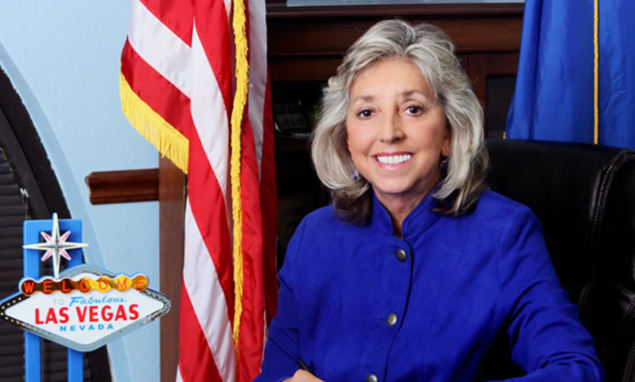
Representative Dina Titus led the initiative, with 25 members co-signing, stating "tax should not be levied on unearned money, it's a matter of fairness," after the related bill was rejected in September 2025.
State Core Dynamics
Regulation and Legalization Progress
Virginia: Did not advance the online casino legalization bill (SB 118), but merged SB 195 with SB 558, proposing to establish a unified gambling commission (currently divided among three major institutions); the House passed HB 515, prohibiting the use of credit cards for funding sports betting accounts;
Iowa: Senator Mike Clemish proposed SF 2085, aiming to bring prediction markets under the Department of Revenue's supervision, requiring operators to apply for a $10 million license;
New York: Senator Joe Addabbo restarted the push for online casino legalization, with proposals also limiting betting types (only retaining event outcomes, scores, etc., eliminating prop bets), and another bill requiring default betting limits and prohibiting operators from restricting users for normal betting behavior.
Bans and Restriction Proposals
Tennessee: Introduced HB 1885 banning online lottery casinos, also proposing a ban on online sports betting on campuses;
Indiana: The House Committee advanced a lottery casino ban bill, while online lottery and casino bills were shelved due to insufficient support, with lawmakers stating "the state legislature is not yet ready to advance any online gambling expansion";
Missouri: The gambling commission rejected the NCAA's request to ban college prop bets, citing "insufficient information as online sports betting just launched (December)".
National Trends
Lottery casino bans are becoming a trend: Florida, Maine, and other states followed with proposals, with bans already implemented in New Jersey, New York, and six other states in 2025, with many operators receiving shutdown notices.
Philippines Emerald Bay: $300 Million Project Aborted, Plot Awaiting Sale
The $300 million integrated resort project stalled due to multiple crises, focusing on land disposition:
Project Background and Key Points of Failure
Project planning: Broke ground in 2017, planned to open in 2021, phase one included a 7585 square meter casino (with 1186 slot machines, 146 gaming tables), and a five-star hotel, 4 swimming pools, etc.;
Stalling catalyst: The pandemic led to labor shortages, supply chain disruptions, and a financial crisis, completely halting construction;
Failed partnerships: PH Resorts Group (PHR) had discussions with operators like Okada Manila and Bloomberry Resorts, and the completion agreement with construction company EEI Corp also fell through in December 2024;
Complete termination: In December 2024, Pagcor revoked the temporary gambling license, and the sale-leaseback agreement expired in March 2025, with Chinabank regaining control.
Disposition Attitude of the Plot
Existing purchase offers: Chinabank Chairman Hans Xu stated "will negotiate, only sell at the right price," refusing "ruthless" disposition;
Bank's strategic adjustment: In 2026, focusing on small and medium enterprises, stating "better opportunities than cooperating with large entities, do not want to put all eggs in one basket".
Industry Observation: Regulation Refinement and Asset Optimization as Core Logic
The dynamics in both locations highlight different dimensions of development focus in the gambling industry:
USA: Regulation evolves towards "refinement", with demands for legalization and unified regulation on one side, and precise restrictions on lottery casinos and betting types on the other, balancing industry development and risk control;
Philippines: After the project failure, asset disposition focuses on "maximizing value", with the bank not rushing to sell, reflecting the market's potential recognition of quality plots;
Common trend: Whether it's legislative adjustments or asset disposition, both revolve around "compliance baseline" and "value return", with more compliance references available through the PASA official website.
————
This article is from "PASA-Global iGaming Leaders" gambling industry news channel:https://t.me/pasa_news
Original in-depth gambling channel:https://t.me/gamblingdeep
Free data reports: @pasa_research
PASA Matrix: @pasa002_bot
PASA official website: https://www.pasa.news