
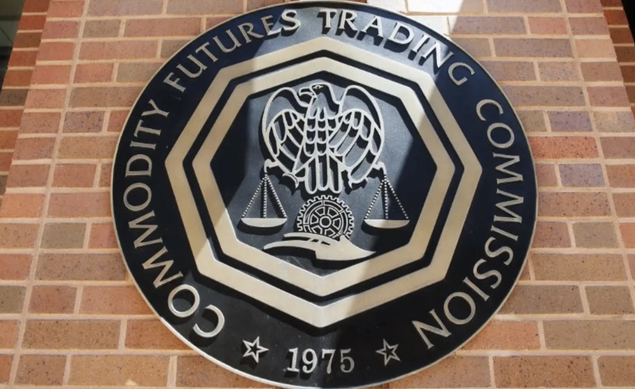
In just one year, the U.S. Commodity Futures Trading Commission (CFTC) has made a 180-degree turn in its attitude towards the prediction markets—from suing Kalshi to now submitting an amicus brief for Crypto.com in a Nevada lawsuit. The new chairman, Michael Selig, stated in a video on platform X: "Anyone who wants to challenge our authority, see you in court." Simply put, the federal regulatory agency wants to wrest back the interpretative authority of prediction markets from the states. However, legal procedures, rule-making, and political maneuvering mean that real change may be measured in "years." Interested in the complex chess game between prediction markets and regulation? The PASA official website continues to track the jurisdictional struggle between the federal and state governments.
One, Policy U-turn: From "keeping distance" to "see you in court"
After taking office, Selig quickly reversed the previous administration's tough stance on prediction markets. He has publicly criticized past "value regulation" and "enforcement regulation," and discussed his support for innovation in prediction markets covering politics, finance, popular culture, and sports events contracts in the Bloomberg Odd Lots podcast.
Core changes:
Revocation of the 2024 sports contracts proposal, paving the way for setting new standards
Submission of an amicus brief, supporting Crypto.com in the Nevada lawsuit
Emphasis on self-certification mechanisms, believing that exchanges should self-regulate participants and certify contracts, with the CFTC retaining ultimate power
Two, The long road of legislation: A two-year rule-making period is not uncommon
Despite Selig's positive attitude, real rule changes must follow the Administrative Procedure Act, a lengthy process:
Proposing rules through the Federal Register
Opening a public comment period
After processing each comment, submitting for committee vote
Final rule release, setting effective and compliance dates
Former CFTC special advisor Carl Kennedy pointed out, the more comments, the longer the process. He cited the joint rule-making by the CFTC and SEC on new product definitions from 2010-2012, which took a full two years from pre-rule notice to final publication. Currently, with only Selig as a commissioner, adds more variables.
Three, Future boundaries: Can slot machines also become "contracts"?
The traditional gambling industry worries that the self-certification framework might allow unlimited expansion of prediction markets. If sports and parlay contracts are considered legal financial instruments, could roulette or dice throwing also be packaged as "derivatives"?
Selig responded to this boundary issue in the podcast. He distinguished between "games of chance" and "games of skill," but hinted that the former are not inherently invalid: "You might be able to construct some sort of contract... In games of chance, it's harder to say, but not impossible." He added that the Commodity Exchange Act does not require contracts to have a "value-based specific outcome."
This means that, theoretically, the boundaries between prediction markets and traditional casino products are blurring.
————
This article is from "PASA-Global iGaming Leaders," a gambling industry news channel: https://t.me/pasa_news
Original in-depth gambling channel: https://t.me/gamblingdeep
Free data reports: @pasa_research
PASA Matrix: @pasa002_bot
PASA official website: https://www.pasa.news