
Ireland has taken a crucial step on the path to modernizing its gambling regulation. This week, Minister of Justice Jim O'Callaghan signed an order officially granting the Gambling Regulatory Authority of Ireland (GRAI) the power to issue gambling licenses. This means that GRAI can start accepting and processing license applications from this Thursday, covering both remote and on-site betting. This marks Ireland's replacement of its outdated gambling laws with a new, streamlined regulatory framework that not only reflects the modern shape of the gambling industry but also introduces strong measures to protect consumers, especially children, from gambling harm. According to the plan, remote operators can obtain licenses as early as July 1, while on-site operator licenses will take effect from December 1.
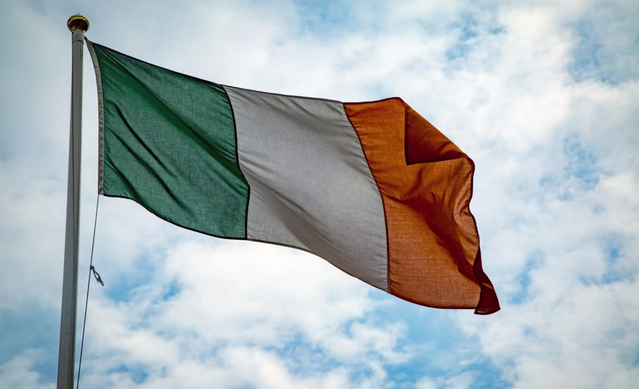
New License System: Three Types of Licenses Covering the Entire Industry Chain
One of the core elements of this reform is the establishment of a clear licensing system, divided into three types, essentially covering the entire industry chain:
•B2C License: This is for operators that serve players directly. It is further divided into on-site betting licenses, remote betting licenses (including online pool betting), and remote betting intermediary licenses (allowing players to bet remotely against each other).
•B2B License: Allows license holders to sell or supply gambling products or related services.
•Charitable License: Specifically issued for charitable or public welfare purposes (such as on-site pool betting or lotteries at events).
The Minister of Justice stated that GRAI will "as soon as practically possible" issue licenses to new entrants, introducing new competition and standards to the Irish gambling market.
Strict Regulation: High Fines and Multiple Bans
In addition to issuing licenses, GRAI is also endowed with strong enforcement powers to ensure that licensees strictly comply with new regulations. The new regulations include a series of stringent consumer protection measures:
Payments and Limits: Prohibits the use of credit cards for gambling, and requires operators to allow players to set their own spending limits.
Marketing Inducements: Strictly prohibits common inducements such as VIP treatment, free bets, free credit, and free hospitality.
Advertising Restrictions: Adults need to opt-in to receive marketing messages; TV and radio are prohibited from broadcasting gambling advertisements between 5:30 AM and 9:00 PM.
Venue Restrictions: Prohibits the placement of ATMs in casinos and similar venues.
Additionally, a national self-exclusion registry will also be initiated under GRAI's jurisdiction. For violators, GRAI has the authority to impose fines of up to 20 million euros (or 10% of the licensee's turnover, whichever is higher), and can apply for court orders to stop illegal operators. This set of regulations aims to create a more responsible and constrained gambling environment. As GRAI officially begins to exercise its comprehensive regulatory powers, the Irish gambling industry will enter a new era of regulated development. For the latest updates and in-depth analysis of global gambling regulatory policies, visit the PASA official website for professional information.
————
This article is from "PASA-Global iGaming Leaders" gambling news channel: https://t.me/pasa_news
Original in-depth gambling channel: https://t.me/gamblingdeep
Free data reports: @pasa_research
PASA Matrix: @pasa002_bot
PASA official website: https://www.pasa.news