
This week, the Finnish Parliament overwhelmingly rejected a series of "radical" amendments proposed by the opposition party against the new online gambling legislation. This means that the reform bill, aimed at ending decades of monopoly and introducing a multi-license competition system, will proceed "lightly" towards the goal of opening the market by 2027, taking another crucial step. This 153 to 21 vote not only dismissed proposals to raise the gambling age, ban all advertising, and impose a 25.5% tax, but also reflected the current ruling coalition's determination to push forward with reforms. Industry observers called the result "not surprising" but remained vigilant about the uncertainties the reform process might face before the 2027 elections. For more global regulatory dynamics, follow the PASA official website for cutting-edge information.
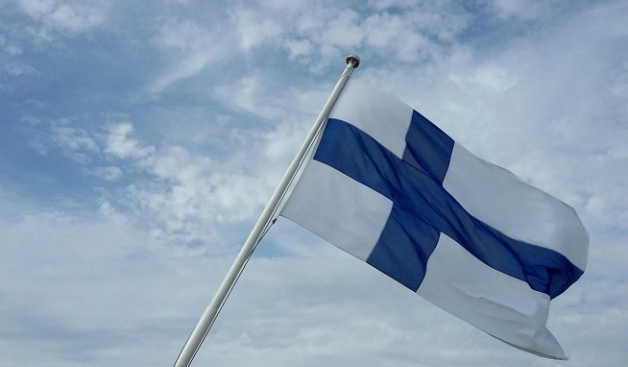
One-sided vote: Radical amendments collectively rejected
At this week's parliamentary hearing, the atmosphere was quite "crisp and decisive". Several major amendments proposed by the opposition were bundled together for voting and were collectively rejected by a significant margin of 153 votes against and 21 in favor, with 25 members absent. This result left many who were waiting to see major changes to the bill disappointed.
The list of amendments from the opposition touched on the industry's "pain points". They proposed raising the legal minimum gambling age from 18 directly to 20 years old; requiring all licensed websites to adopt mandatory two-factor authentication at login; and even wanted to completely ban all gambling bonuses, establishing a central deposit and loss limit system among all operators. Indeed, these were significant steps. The most sweat-inducing proposal for potential market participants was to significantly increase the gambling tax rate to 25.5% of total gambling revenue (GGR).
Marketing and advertising become focal points of controversy
In addition to strict restrictions on players, another major focus of the amendments was on marketing and advertising. The opposition tried to push for a "differential treatment" advertising ban: except for the currently monopolistic state-owned operator Veikkaus, ban all future licensed operators from advertising on television and radio. Moreover, they demanded a complete ban on gambling advertising in all sports and public events, effectively "blocking" the promotional channels for new entrants.
Additionally, the amendments included some symbolic proposals: requiring gambling marketing to include warning labels similar to those on tobacco products; banning any direct marketing to individuals under 24; and even suggesting that the Ministry of the Interior explicitly define an official level of "moderate" marketing. While these proposals were intended to enhance protection, they were criticized as possibly too harsh, potentially severely affecting the commercial vitality and player guidance effectiveness of the future legal market. Ultimately, these "combination punches" were all rejected by the parliament.
Industry interpretation: Bill's passage was a foregone conclusion, future uncertainties hinge on the election
Regarding this voting result, industry veterans were quite calm. Antti Koivula, Chief Compliance Officer of ATG Finland joint venture Hippos ATG, stated on social media that this "decisive" result "absolutely surprised no one". He had previously predicted that these amendments would not pass. Koivula noted that these amendments only received support from some opposition parties (the Green Party and the Left Alliance) and did not gain widespread endorsement from other parties.
"If there's anything surprising, it's the overwhelming degree to which the proposals were rejected, even within the opposition," Koivula commented. This means that the current ruling coalition led by Prime Minister Petri Orpo is quite unified in its will to advance the marketization reform of the gambling market.
According to the current timetable, Finland's regulated online gambling market is expected to open in 2027, with license issuance and operator approval mainly taking place next year. However, a potential variable is that Finland will hold a national election in April 2027. Koivula openly stated that the change of government might be the only way to alter the future direction of Finland's iGaming market. There has already been media speculation that the market launch date originally set for January 2027 might be delayed due to the April election.
"We'll see what happens in the next government term after the April 2027 election, if the current opposition comes back into power," Koivula added, "Perhaps it should also be said: even in the new government term, proposals as intense as these might not necessarily pass." This statement not only predicts the smooth passage of the current bill but also expresses all market participants' concern about longer-term political risks. The battle over the details of the bill has temporarily concluded, but the reshaping of Finland's gambling market remains closely linked to future political directions.
————
This article is from "PASA-Global iGaming Leaders", a gambling industry news channel: https://t.me/pasa_news
Original deep channel for gambling: https://t.me/gamblingdeep
Free data reports: @pasa_research
PASA Matrix: @pasa002_bot
PASA official website: https://www.pasa.news