
In his column for Metrópoles, journalist Igor Gadelha reveals that the Senate's CPI of Bets has focused its investigation on companies authorized by the Ministry of Finance to operate in Brazil, so far ignoring about 5,200 betting sites considered illegal by the department. The data comes from a survey in 232 requests filed so far in the Commission.
According to a survey based on 232 requests filed in the Commission, attention has turned to 16 betting houses, with representatives from 15 of them already called to testify.
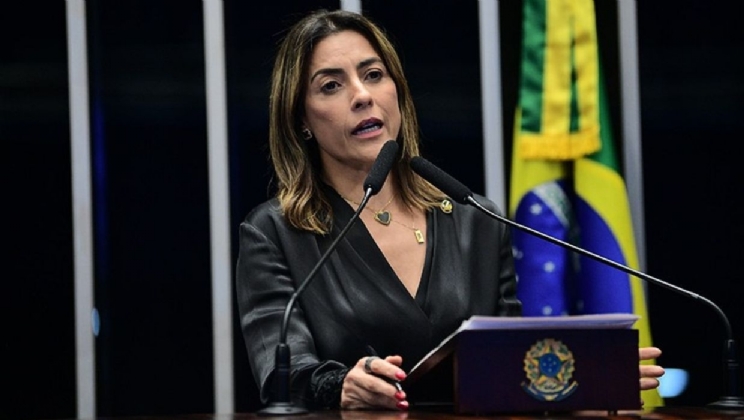
Most of the requests were presented by Senator Soraya Thronicke (Podemos-MS), the rapporteur of the CPI. In the requests made by Soraya, some platforms initially classified as investigated were later reclassified as witnesses.
In the case of "Sportingbet", for example, which has player Marquinhos (Paris Saint-Germain) as its spokesperson, the senator argues that the hearing would be "essential" to provide "insights" on the company's operations.
In contrast, Senator Izalci Lucas (PL-DF) presented requests suggesting that the representatives of the platforms be called as “experts”, and not as investigated or witnesses.
This approach differs from that adopted for companies whose sites were taken down by government order due to lack of authorization or illegal practices. Such distinction has generated discomfort in the sector that is already regulated or in the process of regularization.
The National Telecommunications Agency (Anatel) has recognized difficulties in implementing the removal of illegal sites. As these companies do not have governmental licensing, basic data about them and their operations remain unknown.
The government, for example, faces difficulties in identifying the owners of these companies, the location of their headquarters, the algorithms used, the percentage of bets converted into prizes, and whether they undergo audits.
Moreover, it is still unclear whether the illegal platforms comply with the rules related to advertising of games and the prevention of access by children and adolescents. These mechanisms are being implemented for the 200 licensed companies.
Source: Metrópoles