
The Mississippi House of Representatives passed HB 4074 this week with an overwhelming majority of 100 votes in favor and 11 against, aiming to expand sports betting from brick-and-mortar casinos to online platforms. Unlike previous years, this proposal includes a key concession—reducing the casino tax rate from 8% to 6% to alleviate the long-standing resistance of local casinos to online expansion. In plain terms, it's like giving a slap to the casinos before offering them a candy. The bill also sets the online gambling tax rate at 22%, expected to inject $50 million annually into the state's pension system. Interested in the strategic wisdom of state-level sports betting legislation in the US? Follow key developments continuously on the PASA website.
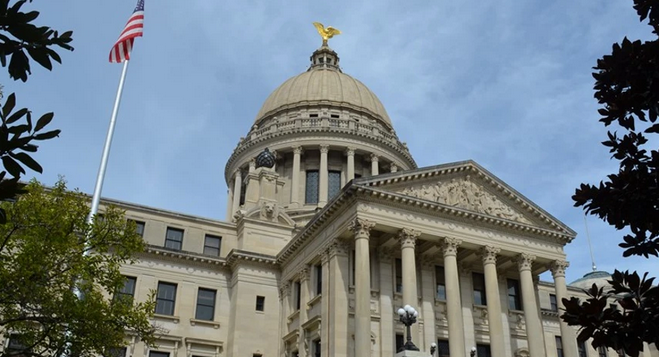
First, the core of the bill: Casino tax cuts in exchange for the green light online
HB 4074, proposed by Representative Casey Eure, includes core provisions such as:
Online authorization: Allows each of the 26 casinos within the state to partner with one online sports betting operator (previously two were allowed)
Casino tax reduction: Reduces the tax rate for physical casinos from 8% to 6%, estimated to cut taxes by about $48 million annually for the casino industry
Online tax rate: Set at 22% (higher than the physical store's 18.5%)
Pension fund injections: Allocates $50 million annually from gambling tax revenue, continuously for 10 years into the public employee retirement system
Eure estimates that with a 22% tax rate, the state government could increase its revenue by $100 million annually. A previous version of the bill had established a $6 million fund to help small regional casinos cope with online impacts, now replaced by the tax cut provision.
Second, political calculations: Resolving local casino resistance
Mississippi legalized sports betting in 2018, but only within physical casinos. Over the past few years, online expansion has been repeatedly blocked, mainly due to strong opposition from local small casinos—they worry about being squeezed out by large gambling companies. Senate Gaming Committee Chairman David Blount previously stated outright that mobile gambling does not align with the state's goals of "encouraging investment, creating jobs, and developing tourism," and would not be considered unless regulatory agencies actively request it.
Industry insiders point out that small regional casinos have significant influence over legislators. This tax cut provision is a precise response to their demands—exchanging real money for their tacit approval of online expansion.
Third, future outlook: The Senate remains a key hurdle
This is the third consecutive year that the House has passed an online sports betting bill. Earlier this year, HB 1581 was still stalled in the Senate. Last year, the Senate removed the House's online gambling provisions from the lottery casino ban bill, causing the bill to fail in the conference committee. This month, the Senate passed the lottery casino ban bill again, but the prospects for online gambling remain unclear.
The rapid progress of HB 4074 shows that the House strategy has been adjusted, but whether it can persuade the Senate to pass remains to be seen.
————
This article is from "PASA-Global iGaming Leaders," a gambling industry news channel: https://t.me/pasa_news
Original in-depth gambling channel: https://t.me/gamblingdeep
Free data reports: @pasa_research
PASA Matrix: @pasa002_bot
PASA official website: https://www.pasa.news