
The UK Gambling Commission recently released an analysis that has uncovered a long-neglected group—those who do not gamble themselves, but are caught in the whirlwind of gambling behavior by those around them. According to the analysis of the 2024 UK gambling survey data, nearly 9% of adults (about 1.6 million people) have suffered at least one adverse consequence in the past twelve months due to someone else's gambling. More notably, 5.3% of these reported serious harm, including relationship breakdowns, significant financial losses, violence or abuse, and criminal activities. As the survey data provider puts it, the affected are not a homogeneous group—63% of them have also participated in gambling in the past year, a proportion even slightly higher than the 60% of the general adult population.
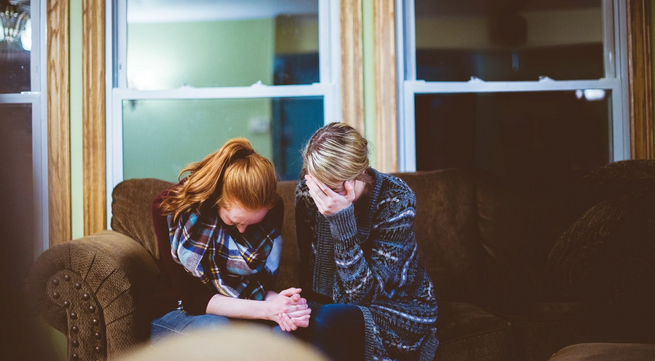
Young women bear the brunt of the harm
The demographic portrait of those affected shows two distinct characteristics. In terms of gender distribution, 55% are female, and in terms of age structure, 46% are concentrated between the ages of 25 to 44, a period that coincides with the heaviest family responsibilities and economic burdens. These affected individuals are also more inclined to participate in high-risk gambling activities, with their participation rate in live event betting nearly 3.7 times that of other gamblers, and a similarly high rate of casino participation. Among those with dual identities of "victim" and "participant," 21.5% fall into the problem gambling score range, nearly five times higher than the 4.5% ratio of all gamblers.
Health, relationships, and finances are three overlapping areas of impact
Health-related consequences are the most frequently reported type of harm. 73.7% of those affected experienced at least one health consequence caused by someone else's gambling, with the most common specific symptoms including stress or anxiety (57.9%), shame or embarrassment (52%), and an increase in conflicts or arguments (45.4%). Relationship harm follows closely behind, with 65.3% of those affected reporting such consequences, and financial and resource damage also affecting 42.5% of the population. In severe harm cases, 74.3% listed relationship breakdown as a direct consequence. Data published earlier this year by the gambling care charity GamCare further corroborates this trend—with 1954 people seeking its financial guidance services due to gambling losses in 2025, more than double the previous year's 923. However, it is concerning that only 14.5% of those affected by someone else's gambling sought help, while the help-seeking rate of those who also gambled themselves (18.3%) was significantly higher than that of those who did not gamble (7.7%). The UK Gambling Commission has planned further qualitative research to explore the specific experiences of those affected and clarify the dynamics of their harm.
PASA's official website continues to track the latest developments in global gambling harm research and public health data, noting that the UK Gambling Commission has extended its survey perspective from traditional gambling participants to systematically include third-party affected individuals, providing a closer analysis path to the real social costs of gambling harm.
————
This article is from "PASA-Global iGaming Leaders," a gambling industry news channel: https://t.me/pasa_news
Original in-depth gambling channel: https://t.me/gamblingdeep
Free data reports: @pasa_research
PASA Matrix: @pasa002_bot
PASA official website: https://www.pasa.news