
The list of suspects in the American gambling scandal added a new, notable face this week, not an athlete or casino mogul, but a former federal prosecutor who once handled white-collar crime prosecutions. Monica Dillon served as an Assistant U.S. Attorney in the Southern District of West Virginia for nearly twenty years, during which from 2021 to 2024 she also led the district's white-collar fraud team as deputy chief, overseeing eight lawyers. Ironically, it was during this period that she herself was secretly using stolen identity information to open online gambling accounts. According to a statement of facts filed on April 22, Dillon used the identities of five victims to gamble on online platforms from January 2021 to January 2023, profiting at least $1,000 from three of these victims' accounts.
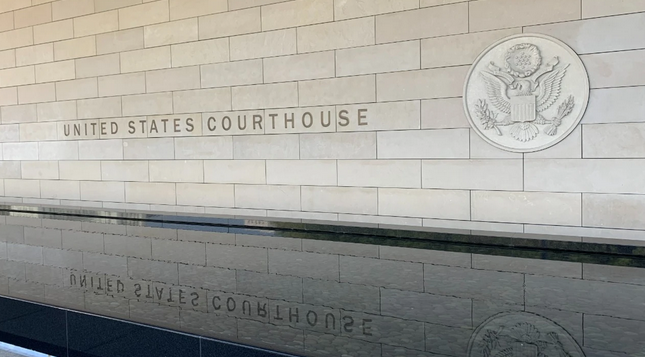
After pleading guilty, she was only sentenced to probation, with no prison time required
The U.S. District Court judge approved Dillon's plea agreement and pre-trial diversion agreement on Tuesday. Under the agreement, she admitted to five counts of identity theft but only has to pay $30,000 in restitution to a person marked as "Victim 1," with the other four victims receiving no compensation. Dillon will be under the supervision of the U.S. Probation Office for two years, completely avoiding prison. Without the plea agreement, these charges could have led to a maximum of twenty years in prison and a $500,000 fine. The case was presided over by Judge Bell, who was specially brought in from North Carolina due to a potential conflict of interest, and the Southern District of West Virginia's U.S. Attorney's Office declined to comment on the case.
Timeline of bankruptcy, license revocation, and a double life
Dillon's personal finances and career trajectory showed a clear collapse during the period of the offenses. She had her law license revoked by the West Virginia Supreme Court in January 2025 through voluntary consent, while the Office of Disciplinary Counsel had filed for revocation in December 2024, without stating reasons but effectively amounting to a plea agreement—by voluntarily relinquishing her license, Dillon acknowledged facing an indefensible investigation and potential charges. More suspiciously, she filed for bankruptcy protection in 2022, with the bankruptcy case still pending in federal court. The timeline in the statement of facts clearly shows that Dillon continued to gamble using victims' identities before and during her practice, even after filing for bankruptcy.
Comparing this case to another larger but similarly executed case in Connecticut in February this year, the disparity in sentencing is striking. Connecticut residents Kapur and Lillerani are accused of stealing about 3,000 identities to open accounts on platforms like FanDuel, illegally profiting about $3 million, facing multiple charges including 23 counts of wire fraud and 8 counts of identity fraud. The head of criminal investigation at the Boston IRS publicly stated that individuals committing identity theft on such a scale deserve the harshest legal penalties. In contrast, the handling of the Dillon case highlights an increasingly sharp fault line in the American gambling integrity scandal—when the criminals come from within the law enforcement system, the compensation and legal consequences for victims are almost negligible.
PASA's official website continues to track the latest developments in global gambling integrity and judicial accountability, noting the rare pattern of law enforcement personnel themselves involved in gambling fraud, sounding an alarm about internal breaches in the U.S. gambling regulatory system.
————
This article is from "PASA-Global iGaming Leaders," a gambling industry news channel:https://t.me/pasa_news
Original in-depth gambling channel:https://t.me/gamblingdeep
Free data reports: @pasa_research
PASA Matrix: @pasa002_bot
PASA official website: https://www.pasa.news