
The Philippine economy suddenly flashed a glaring red light. The latest monthly business expectation survey released by the Central Bank of the Philippines shows that the national business confidence index plummeted from 8.2% in February to -24.3% in March, setting a record low for the past 25 years. This survey, covering 515 companies nationwide, states bluntly: the rise in oil prices is rapidly squeezing consumers' disposable income, and when the index falls into negative territory, it means that pessimists far outnumber optimists. The first to be severely hit is the Philippine gambling industry, which is expected to reach a total revenue of 396.14 billion pesos in 2025, still maintaining a growth rate of 6.4% year-on-year. Industry observers generally warn that when consumers have poorer future income expectations, the first thing to be cut is non-essential entertainment spending, and this hundred-billion-peso market may be standing on the edge of a cliff.
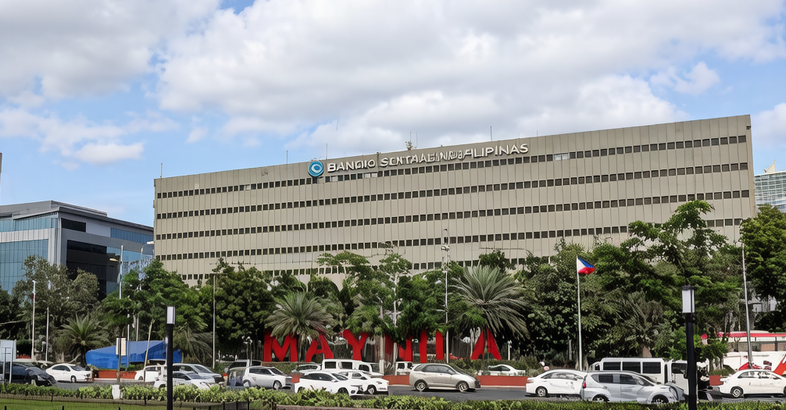
The cold winter of consumption meets gambling dependency, can the 396.14 billion peso market hold?
The Philippines is one of the few Asian countries that opens licensed offline casinos and online gambling to locals, and the gambling industry has long been a significant engine for economic growth. The 2025 report card was originally very promising, but the oil price shock is squeezing this industry's survival space from both cost and consumption sides. On one hand, geo-political conflicts have pushed up energy bills, directly eroding the operating profits of casino resorts; on the other hand, consumers tightening their belts affects the willingness to gamble. Businesses' expectations for the future have also turned completely cold—next quarter's confidence index plummeted from 37.4% to -17.3%, and the annual forecast was halved from 51.1% to 11.7%. Surveyed companies commonly cite intense domestic competition, insufficient demand, high interest rates, and soaring oil prices as the current biggest operational pressures, with financial condition indices and credit access indices both falling into negative territory, meaning not only are orders decreasing, but the difficulty of obtaining bank loans is also increasing.
Interest rate hike expectations add to a vicious cycle, the gambling industry may become a domino
Maybank Securities points out that due to the oil price shock triggered by the situation in Iran, Philippine inflation is likely to break through the central bank's target range. The market expects the central bank to cumulatively raise interest rates by up to 50 basis points this year, adding one or two more hikes on top of the current benchmark rate of 4.5%. Once the rate hikes are implemented, it will create a vicious cycle of rising oil prices, rising prices, decreasing consumption, worsening businesses, rate hikes, and even worse consumption. Highly dependent on residents' consumption capacity, the gambling industry is particularly vulnerable in this economic storm—it is not a rigid demand like food and energy, but rather the first option to be shelved once consumer confidence wavers. The market's pessimistic sentiment may be hard to reverse in the short term, and subsequent developments will depend on the situation in the Middle East and international oil prices. Whether the Philippine gambling industry can survive this cycle depends on the duration of the oil price shock and the speed of recovery in consumer confidence.
PASA official website continues to track macroeconomic risks and industry cycles in the Asia-Pacific gambling market, noting that the current predicament in the Philippines has a warning significance in the region. When oil-driven inflation and interest rate cycles overlap, the gambling market, highly dependent on domestic consumption, is often the first outpost to sense temperature changes.
————
This article is from "PASA-Global iGaming Leaders," a gambling industry news channel: https://t.me/pasa_news
Original in-depth gambling channel: https://t.me/gamblingdeep
Free data reports: @pasa_research
PASA Matrix: @pasa002_bot
PASA official website: https://www.pasa.news