
The 2026 NBA playoffs are set to kick off this weekend, but the Los Angeles Lakers have already taken a significant off-court hit. According to court documents unsealed this week, former Lakers volunteer assistant coach and LeBron James' teammate during his Cleveland Cavaliers days, Damon Jones, is expected to formally change his plea to guilty in front of a U.S. District Judge on April 28, becoming the first defendant to plead guilty in this league-shaking gambling scandal. Jones is accused of illegally leaking non-public injury information about Lakers players to a group of gamblers, involving two players, descriptions of whom closely match James and Anthony Davis. Although James and Davis have not been charged in this case, two other NBA figures—Portland Trail Blazers head coach Chauncey Billups and former Miami Heat guard Terry Rozier—are also deeply mired. Jones' lawyer, Kenneth Montgomery, made it clear that Jones is not a cooperating witness in the investigation and will go through the normal federal plea process. FBI Director Kash Patel dropped a significant statement at a press conference last October: "No beating around the bush, this is an insider trading case in the NBA."
From the Locker Room to the Betting Table: A $2,500 Piece of Injury Information
The details of Jones' involvement paint a disturbing picture: the most sensitive information within the team—whether a player can play, how they are physically—is being explicitly priced and flowing to a group of gamblers. According to the indictment, in February 2023, two days after James broke the NBA's all-time scoring record, he missed a game against the Milwaukee Bucks, and Jones had received $2,500 for passing on the information that the player would not be participating. This trivial amount starkly contrasts with the commercial value of the information—for gamblers with insider knowledge, knowing about a superstar's absence means gaining an asymmetric advantage at the betting window.
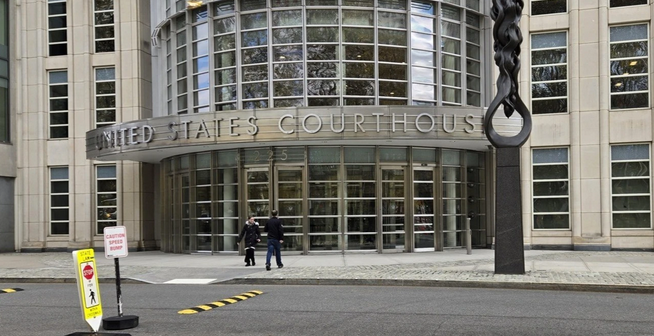
Jones played 11 seasons in the NBA, once boasting himself as "the best long-range shooter in the world." In Game 4 of the 2007 Eastern Conference Finals, he played 14 minutes in a double-overtime battle between the Cavaliers and the Detroit Pistons, where the real star was James with 48 points, and on the Pistons' side, it was Billups leading the comeback. Seventeen years later, the two passed each other in the hallway of the Brooklyn Federal Court without shaking hands or speaking. Billups, facing multiple charges related to illegal poker games, declined to comment last month when asked if he planned to plead guilty. Rozier has been charged with deliberately underperforming in a regular-season game to secure a betting outcome for an acquaintance, and the Miami Heat officially released him this week.
From the Ruins of PASPA to a Crisis of Integrity: The League's Golden Image is Fading
The Jones case is just the tip of the iceberg. In the US vs. Aiello case, Jones and Billups are among more than twenty defendants involved in a case concerning the manipulation of poker games by several organized crime families in New York; in the US vs. Earnest case, Jones is one of three defendants accused of selling player injury information to gambling bosses, facing federal charges of conspiracy to commit wire fraud and money laundering. Meanwhile, two MLB pitchers, Emanuel Clase and Luis Ortiz, are also facing separate charges of game manipulation in Brooklyn, with their trials expected to start this fall.
Since the overturning of the Professional and Amateur Sports Protection Act in 2018 and the rapid legalization of sports betting across the U.S., state and federal politicians have repeatedly asked the same question: Is the expansion of the gambling industry eroding the integrity of sports? New York State Assemblyman Paul Tonko, co-author of the "Safe Betting Act," last fall urged at least seven sports league presidents to support the integrity safeguards embedded in the bill. His words were blunt: "When leagues sell their credibility to gambling operators, integrate betting content into broadcasts, make betting seem natural to youth, glamorize gambling in advertisements, yet are powerless to prevent criminal activities from taking root within sports, the so-called 'integrity first' stance is nothing but empty talk." Next week, Tonko and another co-author of the bill, Connecticut Senator Richard Blumenthal, will attend a public health seminar in Boston. Blumenthal has already written to several league presidents earlier this month, expressing concerns about the further penetration of gambling and prediction markets into professional sports.
PASA Official Website continues to track global sports betting compliance and integrity monitoring trends, noting the particularly sensitive timing of the Jones case—the NBA playoffs are about to start, and the last thing the league wants is the label of insider trading attached to top-tier teams like the Lakers. The deeper impact lies in the fact that when core locker room information such as player injuries can be quantified, priced, and flowed to gamblers, the qualitative change from "guessing winners and losers" to "information arbitrage" in sports betting has quietly completed. Whether the league and law enforcement can build a firewall at the source of information leaks will directly determine how long the narrative of professional sports integrity can be maintained.
————
This article is from "PASA-Global iGaming Leaders," a gambling industry news channel: https://t.me/pasa_news
Original deep channel for gambling: https://t.me/gamblingdeep
Free data reports: @pasa_research
PASA Matrix: @pasa002_bot
PASA Official Website: https://www.pasa.news