
Arizona Governor Katie Hobbs has dropped a policy "depth charge" in the newly announced $17.7 billion budget, targeting large sports betting operators with monthly betting volumes over $75 million, planning to hike the tax rate from the current 10% to 45%. This means that any platform exceeding this threshold must surrender nearly half of its gross gambling revenue to the state treasury. Currently, only BetMGM, DraftKings, FanDuel meet this threshold, and the state estimates this move could increase annual revenue by $150 million. However, the proposal's prospects are unclear in the Republican-controlled legislature, and a legal dispute over whether it's a "tax" or a "fee" has already surfaced. The latest developments in state gambling tax reforms in the US will continue to be tracked on the PASA official website.
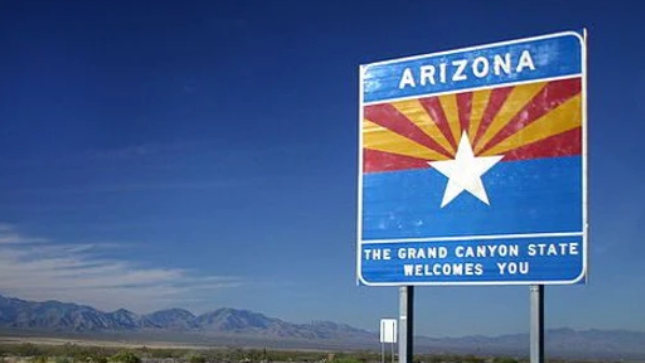
One, Arizona: 10%→45%, who is the target?
The Hobbs administration uses "monthly transaction volume ≥ $75 million" as a hard criterion for the high tax rate, directly targeting top platforms:
• BetMGM
• DraftKings
• FanDuel
Since the legalization of sports betting in 2021, the state has maintained a uniform tax rate of 10%, ranking fifth lowest in the US. If the tax bracket jumps to 45%, Arizona will become one of the jurisdictions with the highest nominal tax rates on sports betting in the US. The state budget lists this additional income as part of $950 million in "uncertain funds" to offset federal funding cuts.
However, with the Republican Party controlling both houses traditionally opposing tax increases, and the state constitution requiring a two-thirds absolute majority for bills increasing fiscal revenue, the Hobbs administration argues that the item is a "regulatory fee" rather than a tax, attempting to bypass the supermajority threshold. The legal characterization dispute will be key to whether the proposal passes.
Two, multiple states "follow suit" in raising tax rates, is sports betting a financial remedy?
Arizona is not alone. In recent years, several states have adjusted their sports betting tax rates, with varying methods and extents:
Illinois: From 15% to a tiered tax rate of 20%-40% in 2024; an additional betting fee of $0.25-$0.5 per bet in 2025.
Maryland: The governor originally proposed raising it to 30%, but the legislature settled on 20%.
New Jersey: The governor advocated raising it to 25%, but the legislature compromised at 19.75%.
Louisiana: The tax rate was raised from 15% to 21.5%.
Ohio: Doubled from 10% to 20% in 2023, and another proposal to double it was shelved in 2024.
This year, West Virginia also had a legislative proposal to raise the 10% tax rate to 25%. State fiscal deficits and federal funding cuts are the main drivers, but industry advisor John Pappas warns: "With illegal operators and prediction markets expanding in a zero-tax environment, now is not the wise time to burden legal platforms."
Three, higher taxes ≠ higher revenue, a joint warning from regulators and operators
Illinois State Representative Jehan Gordon-Booth bluntly stated at a recent industry conference: "You think raising the tax rate will bring in more money? In reality, you can't get it at all." She warned that over-squeezing legal operators would only push players towards the unregulated grey market, ultimately leading to unmet tax expectations and market ecology erosion.
Louisiana Gaming Control Board Chairman Christopher Herbert also emphasized that if the tax rate is raised too high, operators might completely withdraw from the market, resulting in a lose-lose situation. If the Arizona proposal is implemented, it will become one of the states with the highest tax rates on sports betting in the US, but whether it can be translated into real fiscal revenue remains to be seen.
In the current situation where illegal operations and prediction markets (such as Kalshi, Polymarket) are closing in, legal sports betting must cope with regulatory compliance costs and compete for users with zero-tax "external enemies." State legislators are at a crossroads: should they treat sports betting as a financial ATM or foster a sustainable compliant market? The answer will gradually become clear in the coming legislative sessions.
————
This article is from "PASA-Global iGaming Leaders" gambling industry news channel:https://t.me/pasa_news
Original deep gambling channel:https://t.me/gamblingdeep
Free data reports: @pasa_research
PASA Matrix: @pasa002_bot
PASA official website: https://www.pasa.news