
Idaho Attorney General Raúl Labrador announced on Monday that the state has joined a coalition of 39 states to challenge the Commodity Futures Trading Commission's attempt to expand its regulatory authority. The coalition is asking the federal court to dismiss the CFTC's claim that it has exclusive jurisdiction over certain sports betting activities, arguing that this would deprive states of their traditional power to regulate or prohibit sports betting. In plain terms, the federal agency wants to encroach on territory, and the states are collectively saying no.
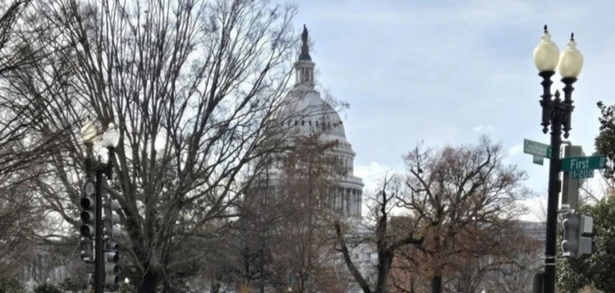
Background of the event: CFTC's stance reversal, states urgently "defending the plate"
This legal dispute centers around a batch of new online platforms, including Kalshi and Crypto.com, which offer sports event betting through federally regulated exchanges and package their products as "financial derivatives" rather than traditional sports betting. Kalshi reported that during the Super Bowl in February 2026, the value of event contracts traded by customers exceeded $1 billion. Historically, the CFTC had refused to recognize such contracts and in September 2025 acknowledged that state laws might prevent them. However, after a change in leadership, the agency reversed its stance, claiming in the lawsuit that these contracts are "swap transactions"—a type of financial instrument exclusively regulated by the federal government.
Coalition argument: Federal has no right to unilaterally expand power, state rights are inviolable
The coalition's legal brief presents four core arguments: Federal agencies have no right to unilaterally expand jurisdiction, especially in areas traditionally regulated by states such as gambling; Supreme Court precedents require such significant matters to have explicit congressional authorization; any transfer of traditional state functions to the federal level must be explicit; CFTC lacks expertise in the gambling sector. After Nevada led the lawsuit against platforms like Kalshi, the CFTC submitted an amicus brief supporting the platforms, advocating federal precedence. Idaho and the other 39 states then submitted an amicus brief supporting Nevada, emphasizing that if the CFTC's position is upheld, it would strip the states of their power to enforce gambling bans or regulations.
Future direction: The Ninth Circuit Court of Appeals will decide
The Ninth Circuit Court of Appeals is currently reviewing whether state gambling enforcement laws apply to platforms that offer event contracts and prediction markets through federally regulated exchanges. The 39-state coalition is urging the court to affirm that regardless of how platforms package their products, states retain the power to regulate or prohibit gambling activities. The outcome of this struggle will determine the future landscape of sports betting regulation in the United States. Want to stay updated on the latest developments in the U.S. gambling regulation dispute? PASA official website continues to track.
————
This article is from "PASA-Global iGaming Leader" gambling industry news channel:https://t.me/pasa_news
Original in-depth gambling channel:https://t.me/gamblingdeep
Free data reports: @pasa_research
PASA Matrix: @pasa002_bot
PASA official website: https://www.pasa.news