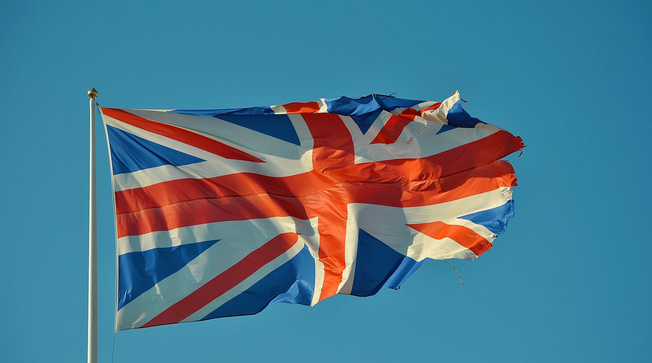
The UK Department for Digital, Culture, Media and Sport (DCMS) has officially launched a consultation on raising the licensing fees for gambling operators, aiming to fill the regulatory funding gap and strengthen the crackdown on illegal markets. This consultation began on January 27 and will continue until March 30, covering three fee-raising schemes, with the highest increase reaching 30%. If approved, it will take effect in October 2026. This move is another action in the recent tightening of regulations in the UK gambling industry, and relevant compliance response cases can be referenced on the PASA official website.
Background of Fee Increase: Shortage of Regulatory Funds and Upgraded Enforcement Needs
The core reason for the license fee increase is the financial pressure and expanded regulatory responsibilities of the Gambling Commission:
Funding gap emerged: Since the last license fee review in 2021, the Gambling Commission has increased its investment in combating illegal markets, implementing reforms from the "Gambling Act Review White Paper," and building data capabilities, compounded by inflationary pressures, resulting in consecutive years of budget deficits and continuously shrinking financial reserves;
Fee calculation logic: Current license fees are collected based on turnover, with different standards corresponding to different business types, license types, and company sizes. For example, remote casinos with annual gross gambling yields exceeding 1 billion pounds must pay 7.93729 million pounds per year, with an additional 125,000 pounds for every additional 500 million pounds;
Specific use of funds: The additional fees will be used to maintain existing regulatory work, advance strategic planning for 2024-2027, and strengthen core tasks such as combating illegal gambling.
Three Major Fee Increase Plans: Significant Differences and Diverse Impacts
The consultation document proposes three fee-raising options, each with distinct preferences and potential impacts:
1. Gambling Commission's preference: Average increase of 30%
Core effect: An additional 8.7 million pounds (about 12 million USD) per year, just enough to fill the current regulatory cost gap;
Key explanation: Only able to maintain the current scale of work, unable to support the expansion of the regulatory team or new regulatory functions, considered a "baseline" plan.
2. Compromise option: Increase of 20%
Funding gap: Still need to save 15.8 million pounds cumulatively by 2030-31, which may lead to regulatory contraction;
Potential impact: The Gambling Commission will need to reorder work priorities, some non-core areas may stagnate, focusing only on statutory duties and serious violations, with about 10% of personnel possibly being laid off.
3. Government's preference: Total increase of 30% (split use)
Structural design: 20% used to cover daily regulatory costs, an additional 10% specifically used to combat illegal gambling and strengthen enforcement capabilities;
Special funds: Expected to allocate 2.6 million pounds specifically to block large-scale illegal gambling from infiltrating UK consumers, protecting the integrity of the legal market and consumer rights.
Industry Background: Continuous Tightening of Regulations, Added Pressure on Operators
This license fee increase is not an isolated measure, as the UK gambling industry is facing multiple regulatory pressures:
Recently implemented / planned policies: Confirmation in November 2025 that the remote gambling tax will increase from 21% to 40% (effective April 2026), and the general remote betting tax from 15% to 25% (effective April 2027); From April 2024, statutory taxation will be implemented, simultaneously tightening cross-selling marketing rules and financial vulnerability checks;
Industry concerns: Operators, industry associations, and some MPs oppose the intensive tax and fee increases, fearing they may drive up illegal gambling activities and further squeeze the profit margins of legal operators;
Next steps: After the consultation ends on March 30, DCMS will summarize feedback and determine the final plan through secondary legislation, expected to officially take effect in October 2026.
————
This article is from "PASA-Global iGaming Leaders" gambling industry news channel:https://t.me/pasa_news
Original in-depth gambling channel:https://t.me/gamblingdeep
Free data reports: @pasa_research
PASA Matrix: @pasa002_bot
PASA official website: https://www.pasa.news