
Indiana is currently witnessing a battle over the relocation of casino licenses, with two related bills proposing to move the existing licenses to Indianapolis or Fort Wayne, sparking a struggle of interests within different regions of the state. Information on U.S. gambling license applications can be found on the PASA official website.
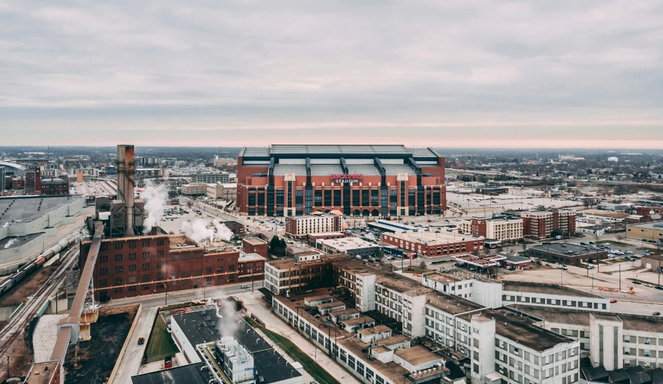
Legislative Duel: Two Cities Compete for License Ownership
Currently, two key bills are being pushed forward, both aiming to relocate the Rising Star Casino license from Rising Sun city (currently the poorest performing casino in the state in terms of adjusted total revenue):
Senate Bill 244: Proposed by Senator Allen Freeman, plans to move the license to Marion County (where Indianapolis is located), believing it to be the best choice for generating revenue.
Senate Bill 70: Proposed by Senators Justin Busch and Randy Maxwell, advocates moving the license to Allen County (where Fort Wayne is located), emphasizing a smaller impact on the existing market.
There are differences in the progress of the two bills; as of now, Bill 70 has passed a committee review, while Bill 244 has not made substantial progress.
Core Conditions: Investment Thresholds and Key Requirements
The core terms of the two bills are highly similar, but there are differences in investment thresholds and applicable areas:
Common requirements: Both require a $25 million license relocation fee, and an additional $50 million if the new license is sold or transferred within 10 years; annual "community support fees" must be paid to the original license location (Rising Sun city and Ohio County), and consent from the mayors of both the original and new locations is required.
Differences: The Indianapolis plan requires a minimum investment of $750 million, while the Fort Wayne plan lowers the minimum investment to $500 million, making it more accessible.
Full House Resorts has been exploring the possibility of license relocation since 2024, and these two bills provide clear pathway options.
Market Impact: Tax Potential and Existing Casino Impact
The different plans have significant impacts on the market, which has become a point of contention:
Tax revenue potential varies greatly: According to research by Spectrum Gaming Group, the projected annual tax revenue for the Indianapolis casino is $170.7 million, while the Fort Wayne plan is only $61.1 million, nearly three times less.
The impact on existing casinos varies: Casinos near Indianapolis, such as Horseshoe Indianapolis and Harrah’s Hoosier Park, could face a 25% loss in revenue; although the Fort Wayne plan has lower revenue potential, it has a smaller impact on the existing market.
Additionally, Indiana currently has 13 commercial casinos, and the establishment of a new casino will inevitably lead to industry reshuffling, which is also an important factor for legislators and stakeholders to consider.
Industry Trends: Major Cities Becoming New Hotspots for Gambling Expansion
This license battle aligns with the trend of the gambling industry expanding into major cities: Chicago, New York, and other cities have recently launched or advanced major casino projects, and Iowa's second-largest city, Cedar Rapids, has approved a large casino development.
Unlike Iowa's new licenses, Indiana's approach through license relocation aims to optimize layout without causing excessive competition and to activate the market potential of core cities. However, whether to choose high income potential or low market impact still requires further legislative negotiation.
————
This article is from "PASA-Global iGaming Leaders," a gambling industry news channel:https://t.me/pasa_news
Original in-depth gambling channel:https://t.me/gamblingdeep
Free data reports: @pasa_research
PASA Matrix: @pasa002_bot
PASA official website: https://www.pasa.news